

Summary
22 items · 20-40 minutes to prepare; allow 45-60 minutes for the appointment itself
Why the First Vet Visit Matters More Than Most Families Realize
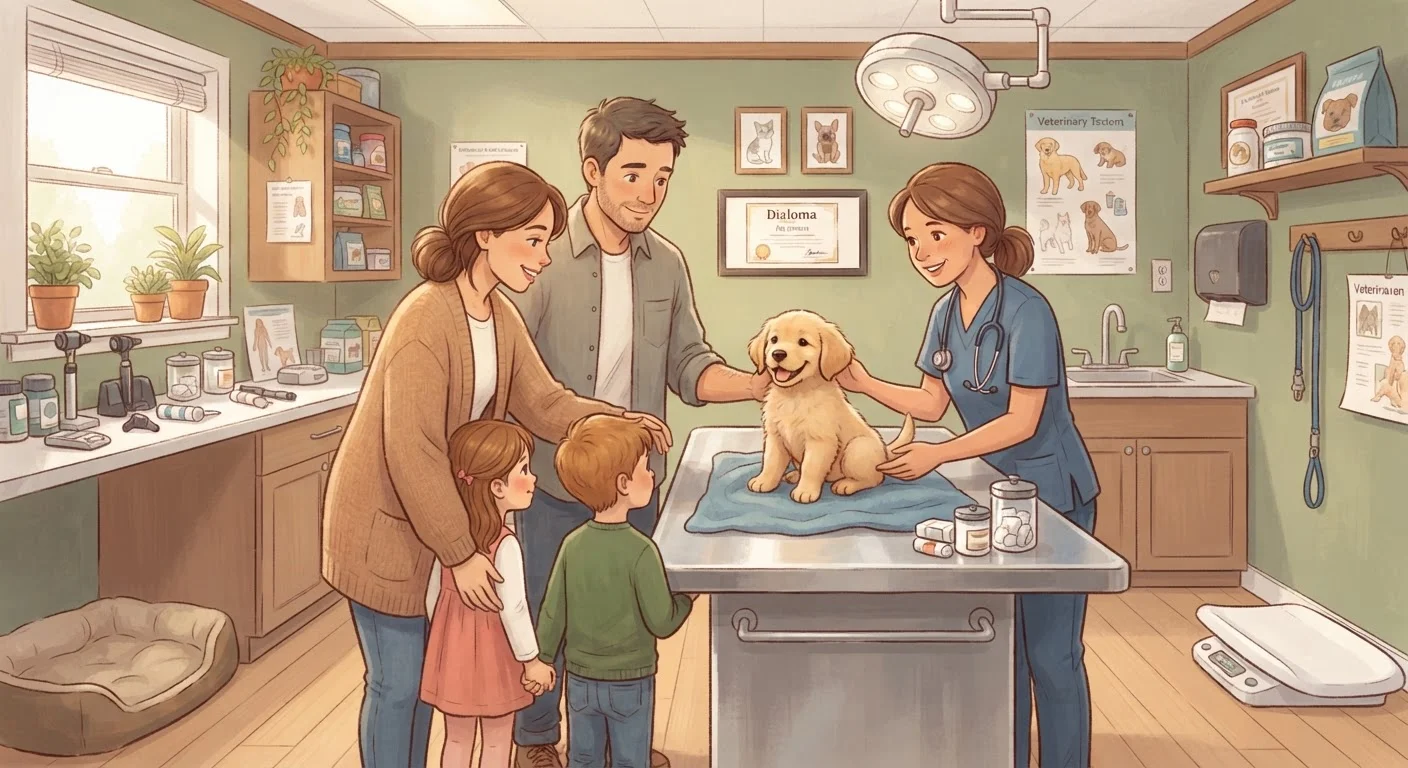
Welcoming a new pet is one of the most exciting moments in family life - and one of the most logistically packed. Amid the joy of first nights and new names, scheduling a veterinary appointment can feel like just another errand. In reality, it's one of the most important steps you'll take as a new pet owner.
The first wellness exam does several things at once: it establishes a baseline health record, catches any conditions that weren't visible at adoption or purchase, and opens a direct conversation with a professional who will be your partner in your pet's long-term care. If you arrived here after working through your family readiness checklist, you're already thinking ahead - this appointment is the natural next milestone.
Most veterinarians recommend scheduling within the first week of bringing a new pet home, or as close to it as possible. For puppies and kittens especially, early visits support a vaccination schedule that can't afford to slip. For adult rescues, the exam helps fill in health history gaps that shelters often can't fully provide.
Use the checklist below to make sure you and your family walk in prepared - not scrambling in the parking lot.
Pet health records folder
Keeps vaccination certificates, microchip paperwork, and exam summaries organized and easy to bring to any appointment.
Stool sample container
A clean, sealed container for a fresh fecal sample, which most vets use to screen for intestinal parasites at the first visit.
Pet carrier or leash
Keeps your new pet safely contained during transport and in the waiting room, reducing stress for both pet and other animals.
Notepad or phone notes app
Use it to write your questions in advance and jot down the vet's recommendations during the appointment.
Your pet's current food bag or label photo
Allows the vet to assess whether the current diet is appropriate for your pet's species, age, and health status.
The First Vet Visit Checklist
Work through these groups before and during your appointment. Items marked must are non-negotiable for a productive visit; should items are strongly recommended; nice to have items can help over time but won't derail the appointment if you skip them today.
Before You Leave Home
At Check-In
During the Exam
Questions to Ask Before You Leave
Don't Wait If You Notice These Signs
The first scheduled wellness exam is not the right venue for a sick visit. If your new pet shows labored breathing, refuses food for more than 24 hours, has bloody stool or vomit, seems severely lethargic, or has obvious physical injuries, contact a veterinarian or emergency animal clinic immediately rather than waiting for a routine appointment.
After your first visit, you'll want a system for what comes next. The Family Pet Health Calendar is a practical tool for tracking vaccines, parasite prevention, and seasonal care tasks month by month - worth bookmarking before you leave the clinic.
What the Vet Is Actually Looking For
A routine wellness exam is more thorough than it appears from the outside. Your veterinarian will typically work through a head-to-tail physical assessment covering eyes, ears, nose, teeth and gums, skin and coat, lymph nodes, abdomen, heart and lungs (via stethoscope), limbs, and basic neurological reflexes. In a puppy or kitten, they'll also check for congenital issues that are easier to manage when caught early.
If your new pet came from a rescue or shelter, your vet may recommend a fecal test to screen for intestinal parasites, which are common and easily transmitted - something worth knowing about if you have young children in the home. For pets adopted from unknown-history environments, bloodwork is sometimes suggested to get a broader health picture.
This is also the moment to be honest about any behaviors you've already noticed - unusual lethargy, loose stools, sneezing, limping, or anything that felt slightly off. You'll find a fuller guide to reading those signals in our article on telling routine symptoms from urgent ones.
This article provides general information for educational purposes and is not a substitute for professional veterinary advice. Always consult a licensed veterinarian for guidance specific to your pet's health needs.
The content provided on our blog site traverses numerous categories, offering readers valuable and practical information. Readers can use the editorial team’s research and data to gain more insights into their topics of interest. However, they are requested not to treat the articles as conclusive. The website team cannot be held responsible for differences in data or inaccuracies found across other platforms. Please also note that the site might also miss out on various schemes and offers available that the readers may find more beneficial than the ones we cover.