

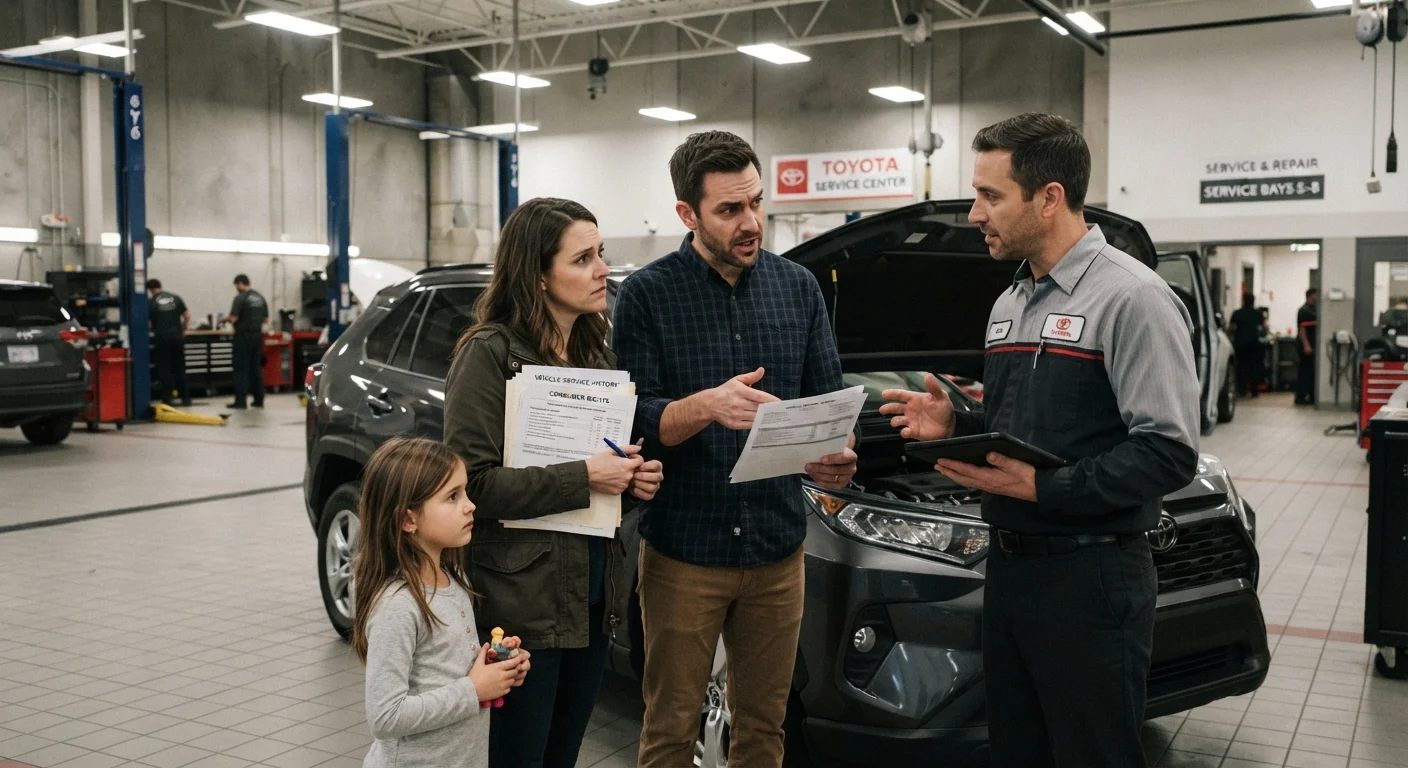
What Lemon Laws Are Designed to Do
When a newly purchased vehicle repeatedly breaks down despite multiple repair attempts, buyers are left in a difficult position: still making payments on a car that doesn't reliably work. Lemon laws exist to resolve that imbalance by giving consumers a formal legal remedy rather than leaving them dependent solely on manufacturer goodwill.
At their core, these statutes establish a threshold: if a manufacturer or its authorized dealers cannot fix a qualifying defect within a reasonable number of attempts, the consumer is entitled to either a full refund or a comparable replacement vehicle. The laws place responsibility squarely on the manufacturer, not the dealer, in most cases.
For a broader look at the federal framework that underpins these protections, see Your Federal Buyer Rights Under the Magnuson-Moss Warranty Act.
50
States with lemon law statutes
Every US state has enacted some form of lemon law, though coverage terms, thresholds, and remedies differ significantly from state to state.
~30 days
Typical out-of-service threshold
Many state lemon laws allow a claim if a vehicle has been unavailable for use due to repair attempts for a cumulative total of approximately 30 days within the warranty period.
3-4
Repair attempts required for most claims
A common statutory threshold requires three to four failed attempts to fix the same defect before a consumer can formally pursue a lemon law remedy.
Key Eligibility Requirements
Not every problematic vehicle qualifies under a lemon law. Four conditions are typically examined:
- The defect is substantial. The problem must significantly impair the vehicle's safety, use, or market value. An irritating rattle rarely qualifies; repeated brake failure almost certainly does.
- The defect occurred within the coverage window. Most laws require the defect to appear and the repair attempts to take place within the manufacturer's original warranty period or within a set mileage/time threshold - often 12,000 to 24,000 miles or one to two years.
- A reasonable number of repair attempts have failed. The manufacturer must have been given a fair chance to fix the problem, typically defined as three to four attempts for the same defect, or the vehicle being out of service for a cumulative period (commonly 30 days).
- The buyer reported the defect promptly. Delays in notifying the dealer or manufacturer can complicate a claim. Prompt, documented communication matters.
Understanding what your warranty covers before problems arise is equally important. Our explainer on warranty types and what manufacturers actually promise covers that ground in detail.
Keep a Repair Paper Trail from Day One
Request a written repair order every time you bring your vehicle in for service, even for the first visit. Note the date, mileage, your description of the problem, and what the technician found and did. This documentation is the foundation of any lemon law claim and cannot easily be reconstructed after the fact.
How the Claims Process Generally Works
Most states require consumers to pursue manufacturer-sponsored arbitration before filing a lawsuit. The process typically follows these steps:
- Gather documentation. Compile every repair order, service receipt, and written communication related to the defect. Dates and mileage at each visit are critical.
- Notify the manufacturer in writing. Many states require formal written notice - separate from dealer complaints - giving the manufacturer a final opportunity to repair the vehicle.
- Submit to arbitration. If the manufacturer maintains a state-certified arbitration program, the dispute goes before a neutral arbitrator. Some states run their own arbitration programs directly.
- Escalate to court if needed. If arbitration is not available, is not certified, or produces an unsatisfactory result, consumers can pursue a lawsuit. Many state lemon laws allow prevailing consumers to recover attorney fees from the manufacturer, which encourages legal representation.
For step-by-step guidance on documenting and escalating any product complaint, making a warranty claim without getting the runaround walks through the process practically.
Variation Across States and Vehicle Types
Because lemon laws are state statutes, coverage differs in meaningful ways across the country. Some states have among the strongest protections in the nation, covering used vehicles, extending the repair-attempt window, or providing for double the purchase price in damages. Others apply only to new passenger vehicles purchased for personal use and set narrower thresholds.
Vehicles purchased primarily for business use often fall outside standard lemon law coverage, though some states include small business vehicles up to a certain weight. Motorcycles, RVs, and boats may or may not be covered depending on the state.
If you are weighing whether to buy or lease before making a vehicle purchase, understanding how each arrangement interacts with warranty and lemon law protections is worthwhile - see leasing vs. buying a car for a comparison of both approaches.
Your state's attorney general office or consumer protection division is the authoritative source for the specific rules that apply to your situation. The Federal Trade Commission (FTC) also publishes general guidance on lemon laws as a public resource.
This article provides general legal and consumer information for educational purposes only and does not constitute legal advice. For guidance specific to your situation, consult a licensed attorney in your state.
Frequently Asked Questions
It depends on the state. Some states extend lemon law coverage to certified pre-owned or used vehicles still under the original manufacturer's warranty, while others limit protections strictly to new vehicles. Check your specific state's statute for coverage details.
Most states use a standard of three to four failed repair attempts for the same defect, or a vehicle being out of service for a cumulative number of days - often 30 or more - within the warranty period. The exact threshold varies by state.
Generally, no. Lemon laws target defects that substantially impair the vehicle's use, market value, or safety. Cosmetic issues or minor inconveniences typically do not meet that standard.
Many states do extend lemon law protections to leased vehicles, though the remedy structure may differ since the lessee does not own the car outright. Review your state law or consult a consumer protection attorney for specifics.
A warranty claim is a request for repair under the manufacturer's promise. A lemon law claim arises when repeated warranty repairs have failed to fix a substantial defect, triggering a legal right to a refund or replacement rather than another repair attempt.
Not necessarily. Many states offer free or low-cost arbitration programs as a first step. However, if arbitration fails or the dispute is complex, consulting a consumer protection attorney is advisable - many work on contingency for lemon law cases.
The content provided on our blog site traverses numerous categories, offering readers valuable and practical information. Readers can use the editorial team’s research and data to gain more insights into their topics of interest. However, they are requested not to treat the articles as conclusive. The website team cannot be held responsible for differences in data or inaccuracies found across other platforms. Please also note that the site might also miss out on various schemes and offers available that the readers may find more beneficial than the ones we cover.