

Why Destination Choice Is the First Planning Decision
For families traveling with a child who has sensory sensitivities - whether related to autism, sensory processing differences, or anxiety - the destination itself is not a neutral backdrop. Noise levels, crowd density, predictability of schedules, and the physical environment can each determine whether a trip goes smoothly or becomes overwhelming for everyone.
A theme park with relentless stimulation and unpredictable wait times presents very different challenges than a national park cabin or a beach town with a low-season lull. Before thinking about flights or hotels, ask: what kind of sensory environment does this destination naturally produce? That single question will filter your options faster than any other consideration.
For a broader framework on how different vacation formats shape the family experience, see how destination type shapes the family travel experience. It's a useful starting point before narrowing your shortlist.
Best Practices for Choosing and Preparing a Sensory-Friendly Destination
These practices are drawn from the experiences of families navigating sensory challenges on the road. Apply them in the planning phase - not as a last-minute checklist.
Research sensory-friendly programs and quiet hours before booking.
Many museums, theme parks, and cultural venues now offer designated sensory-friendly hours with reduced lighting, lower audio, and less crowding. Knowing these options exist before you book gives you real scheduling flexibility. Arriving without this knowledge means you're reacting instead of planning.
Choose accommodations with predictable, controllable environments.
Hotels with thin walls, unpredictable housekeeping schedules, or communal noise can undermine sleep and recovery time - both critical for sensory-sensitive children. A vacation rental or suite with a separate quiet space gives caregivers more control over the environment. Blackout curtains, kitchen access, and a familiar bedtime setup reduce variables.
Build a visual itinerary your child can reference throughout the trip.
Uncertainty about what comes next is a common trigger for sensory-sensitive children. A simple visual schedule - pictures, icons, or a printed list of the day's plan - gives the child a sense of control and reduces the anxiety that fuels meltdowns. Predictability is a form of accommodation.
Pack a sensory toolkit and keep it accessible at all times.
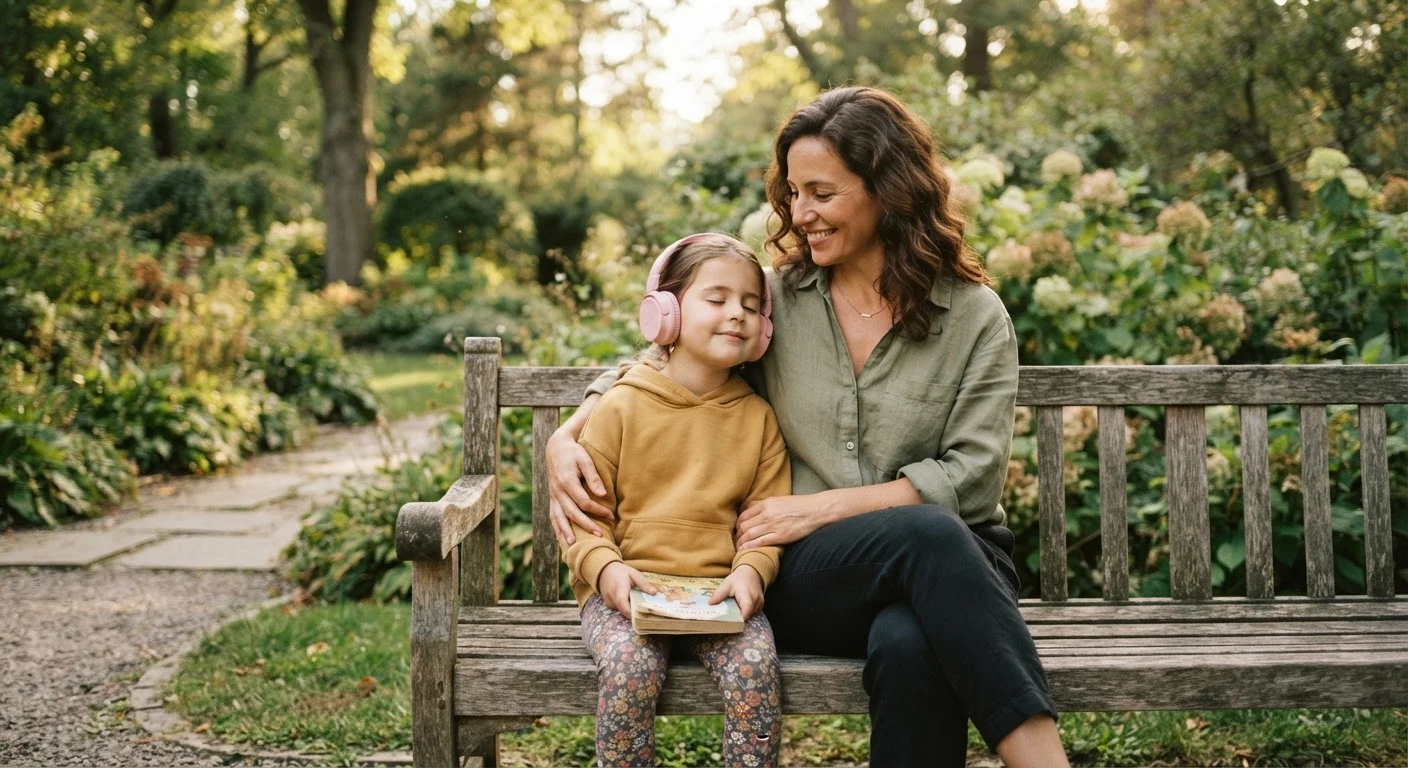
Noise-canceling headphones, a weighted lap pad, a familiar comfort item, and a preferred snack can all serve as regulation tools in a difficult moment. Having these in a daypack - not buried in checked luggage - means you can respond immediately when the environment becomes too much.
Contact airlines and attractions in advance to request accommodations.
Many airlines have quiet boarding procedures, pre-boarding options, or staff trained to assist families with accessibility needs - but these are not always advertised. Similarly, theme parks and museums often have accommodation request processes. Proactive communication consistently produces better outcomes than on-the-spot negotiation.
Schedule deliberate downtime every day - and protect it.
Over-programming is one of the most common mistakes families make, sensory considerations or not. For children with sensory sensitivities, unstructured time in a low-stimulus environment is not wasted - it's recovery. Without it, each successive day becomes harder to manage.
Building a Travel Day That Doesn't Derail the Whole Trip
The journey to a destination is often the hardest part for sensory-sensitive children. Long security lines, airport noise, cabin pressure changes, and irregular meals can stack up quickly. Reducing stimulation during transit preserves your child's capacity to enjoy the destination itself.
If you're managing siblings with different needs during a long journey, keeping kids engaged on long travel days offers practical strategies for the full travel day, including low-tech options that work for a range of ages and temperaments.
This article is for general informational purposes only. Every child is different - consult your child's healthcare provider or a qualified occupational therapist before making travel decisions based on your child's specific sensory needs.
The content provided on our blog site traverses numerous categories, offering readers valuable and practical information. Readers can use the editorial team’s research and data to gain more insights into their topics of interest. However, they are requested not to treat the articles as conclusive. The website team cannot be held responsible for differences in data or inaccuracies found across other platforms. Please also note that the site might also miss out on various schemes and offers available that the readers may find more beneficial than the ones we cover.