

The Planning Gaps That Derail Family Trips
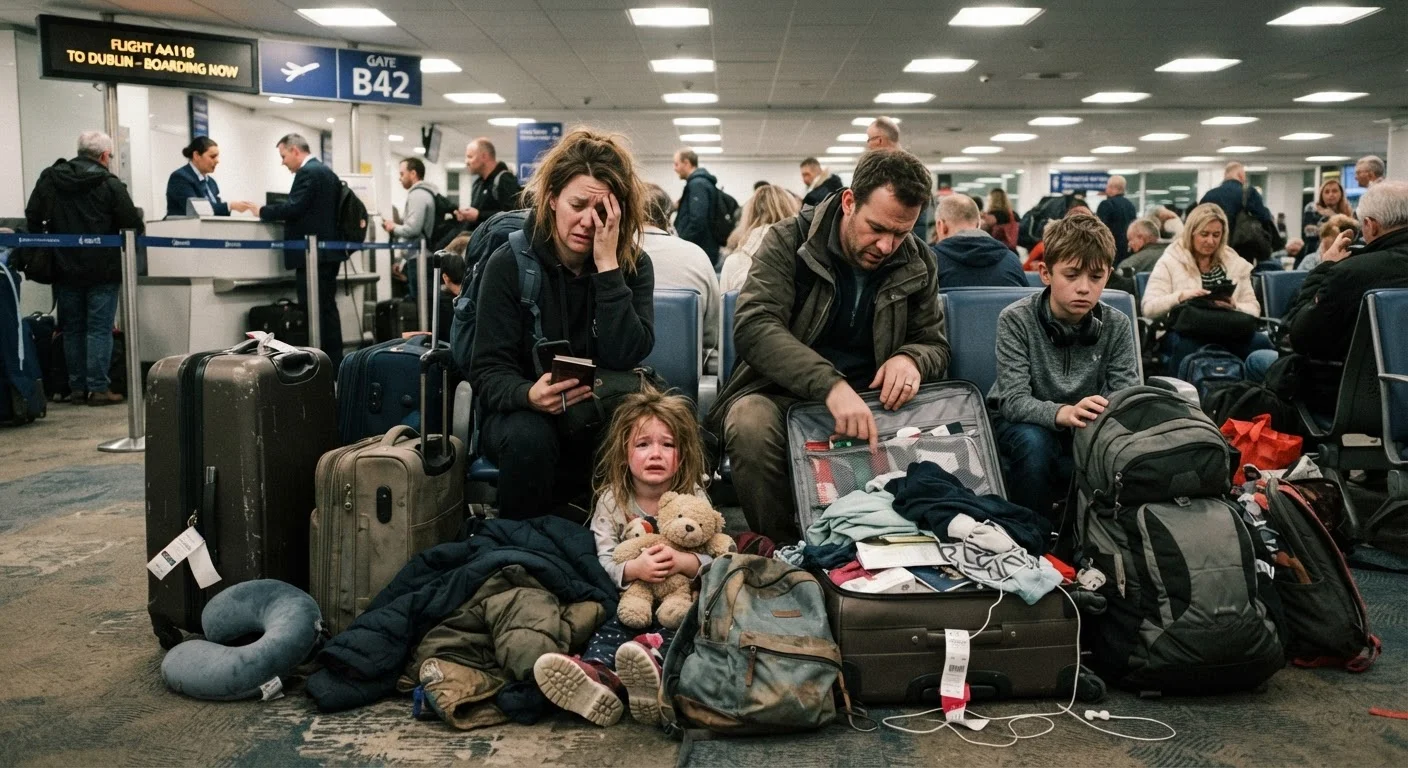
Family vacations rarely collapse because of one catastrophic mistake. They unravel from a stack of small oversights-each one manageable on its own, but compounding quickly under the pressure of departure day. Understanding where the gaps typically appear is the first step to closing them.
The mistakes covered here aren't rare edge cases. They're the same logistical failures that come up repeatedly for families of all sizes and experience levels. Most are entirely preventable with a structured approach to planning that starts earlier than feels necessary.
Leaving passport and document checks until the final week before departure.
Why it happens: Families assume documents are still valid from a previous trip, or simply forget that children's passports expire faster than adults'-often every five years.
Booking accommodations and key activities without confirming child-friendly policies or availability.
Why it happens: Parents often prioritize locking in flights first and assume lodging and activities can be sorted later, not realizing popular family-friendly options fill up months in advance.
Building a trip budget around headline costs only-flights and hotel-while ignoring hidden expenses.
Why it happens: The excitement of finding a good flight price narrows focus. Meals, transportation between sites, admission fees, and incidentals rarely make it into the initial math.
Assuming all family members share the same expectations about the trip's pace and activities.
Why it happens: One parent may envision a relaxing trip; the other imagines packed sightseeing days. Kids have their own priorities. No one says this out loud until conflict surfaces on day one.
Failing to purchase or properly review travel insurance until after something goes wrong.
Why it happens: Insurance feels abstract when trip planning is exciting. Many families either skip it entirely or buy a policy without reading what's actually covered.
For a broader look at managing the financial side of trip planning, see our complete family travel budget planning guide, which covers the full arc from destination selection to day-of spending.
How to Build a Trip That Holds Together
Prevention comes down to sequencing. Most last-minute crises trace back to decisions that were made-or skipped-in the wrong order. Documents should be verified before destinations are confirmed. Budgets should be mapped before flights are purchased. Activities should be booked before the hotel is paid in full.
Check Every Passport Six Months Out
Many countries require passports to be valid for at least six months beyond your travel dates. A passport that expires three months after your trip may get you turned away at the border. Check all family members' documents-including children's-as soon as a destination is chosen, not the week before departure.
Once logistics are locked, the next priority is expectation alignment. A well-booked trip that nobody agrees on is still a friction-filled trip. A short family conversation about pace, priorities, and flexibility pays dividends over a week of travel.
Don't Skip Travel Insurance Review
Travel insurance policies vary significantly in what they cover-trip cancellation, medical emergencies, and lost baggage are not always bundled together. Read the policy details carefully and purchase coverage early; some benefits only apply if purchased within a short window of your initial trip deposit. Verify current entry, vaccination, and insurance requirements directly with official government and provider sources before you travel.
Families who overspend on vacation often do so not because they're careless, but because they never identified where the money would actually go. Our article on why families overspend on vacation breaks down the specific patterns-impulse dining, poor timing, souvenir traps-that quietly blow family travel budgets. And when you're ready to start with a clean planning framework, our pre-booking checklist covers every stage from document review to final confirmation.
This article provides general travel planning information only. Always verify visa, entry, vaccination, and insurance requirements with official government and provider sources before making travel arrangements.
The content provided on our blog site traverses numerous categories, offering readers valuable and practical information. Readers can use the editorial team’s research and data to gain more insights into their topics of interest. However, they are requested not to treat the articles as conclusive. The website team cannot be held responsible for differences in data or inaccuracies found across other platforms. Please also note that the site might also miss out on various schemes and offers available that the readers may find more beneficial than the ones we cover.