

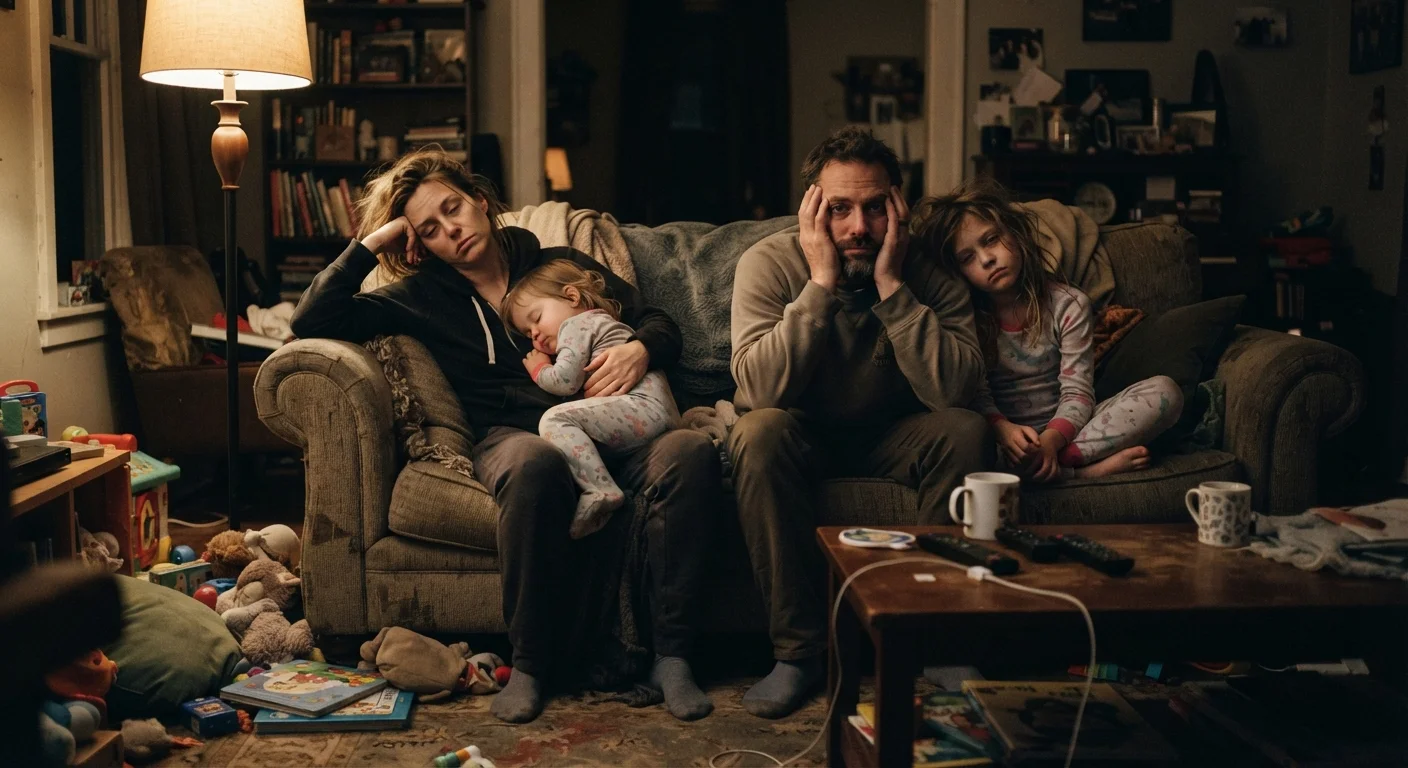
The Difference Between Stress and Burnout
Stress is a normal, even useful response to life's demands. Burnout is what happens when stress becomes chronic, relentless, and unaddressed until the body and mind simply stop coping. For families, the distinction matters - because burnout doesn't look like a breakdown. It looks like everyone being irritable, exhausted, and emotionally flat for weeks on end.
Mental wellness isn't the absence of stress - it's a household's ability to recover from it. When recovery stops happening, burnout has likely taken hold. Understanding where one ends and the other begins is the first step toward addressing it constructively.
| Burnout vs. Stress | Stress is acute and recoverable; burnout is chronic and cumulative |
| Who Is Affected | All ages - children, teens, and adults show burnout differently |
| Common Physical Signs | Headaches, chronic fatigue, stomach complaints without clear cause |
| Common Behavioral Signs | Withdrawal, irritability, loss of interest in previously enjoyed activities |
| When to Seek Help | If symptoms persist more than a few weeks or impair daily functioning |
Key Signs Burnout Has Set In
Burnout in a family system tends to appear across multiple members simultaneously, often feeding on itself. Watch for these patterns:
- Persistent emotional exhaustion: Adults and children alike report feeling drained even after adequate sleep. Tasks that once felt manageable seem overwhelming.
- Increased irritability and conflict: Minor disagreements escalate quickly. Short fuses and frequent arguments signal that emotional reserves are depleted.
- Withdrawal and disengagement: Family members spend more time in isolation - in their rooms, on screens, or otherwise checked out from shared routines.
- Physical complaints without clear cause: Headaches, stomachaches, and general fatigue that a doctor can't fully explain are common stress-burnout markers, especially in children.
- Loss of enjoyment: Activities the family once looked forward to - weekend outings, movie nights, hobbies - begin to feel like obligations or are skipped entirely.
- Declining performance: Kids' grades slip; adults struggle to concentrate at work. Burnout erodes cognitive function across all ages.
It's also worth examining habits that may be compounding the problem. Screen use, disrupted sleep, and elevated stress often feed each other - a cycle that can quietly deepen burnout without anyone realizing it.
Burnout
A state of chronic physical, emotional, and mental exhaustion caused by prolonged, unmanaged stress. It differs from ordinary tiredness in that rest alone does not restore energy or motivation.
Emotional Exhaustion
A core feature of burnout in which a person feels emotionally depleted and unable to engage meaningfully with others or daily tasks.
Chronic Stress
Ongoing stress that persists over an extended period - weeks or months - rather than in response to a single event. It is a primary driver of burnout in families.
Behavioral Regression
When a child reverts to behaviors typical of a younger developmental stage, such as bedwetting or clinging, often as a response to stress or emotional overwhelm.
Emotional Dysregulation
Difficulty managing emotional responses in proportion to the situation. In burnout, this may appear as outsize anger, sudden crying, or emotional numbness.
How Burnout Affects Different Ages Differently
A 7-year-old experiencing burnout won't describe emotional exhaustion in those words. They may regress to younger behavior - bedwetting, clinging, tantrums - or become unusually quiet. Teenagers often mask burnout as apathy, screen overuse, or social withdrawal. Adults may power through with numbing behaviors like overworking, excessive snacking, or alcohol use.
Recognizing age-appropriate expressions of burnout matters. Each stage of life calls for different emotional support, and a whole-household lens helps families respond appropriately rather than assuming one member is simply misbehaving.
This article is for general informational purposes and is not a substitute for professional mental health advice. If you are concerned about your family's emotional wellbeing, consult a licensed mental health professional.
What to Do When You Recognize the Signs
Naming burnout within the family - without blame - is itself a meaningful first step. From there, practical changes create the conditions for recovery:
- Reduce demands where possible: Temporarily scaling back extracurriculars, social commitments, or work overtime gives the household breathing room. Financial pressure is a common driver, so revisiting a family household budget can sometimes reduce one significant source of strain.
- Establish recovery rituals: Short, consistent routines - shared meals, evening walks, device-free time - rebuild a sense of safety and connection. A simple family routine that supports emotional balance doesn't require a therapist or a large budget to be effective.
- Open age-appropriate conversations: Asking children what feels hard right now - and listening without immediately problem-solving - validates their experience and reduces isolation.
- Seek professional support: If symptoms are persistent, a licensed family therapist or your primary care provider is the right resource. Burnout that goes unaddressed can contribute to anxiety, depression, and physical health problems over time.
The content provided on our blog site traverses numerous categories, offering readers valuable and practical information. Readers can use the editorial team’s research and data to gain more insights into their topics of interest. However, they are requested not to treat the articles as conclusive. The website team cannot be held responsible for differences in data or inaccuracies found across other platforms. Please also note that the site might also miss out on various schemes and offers available that the readers may find more beneficial than the ones we cover.