

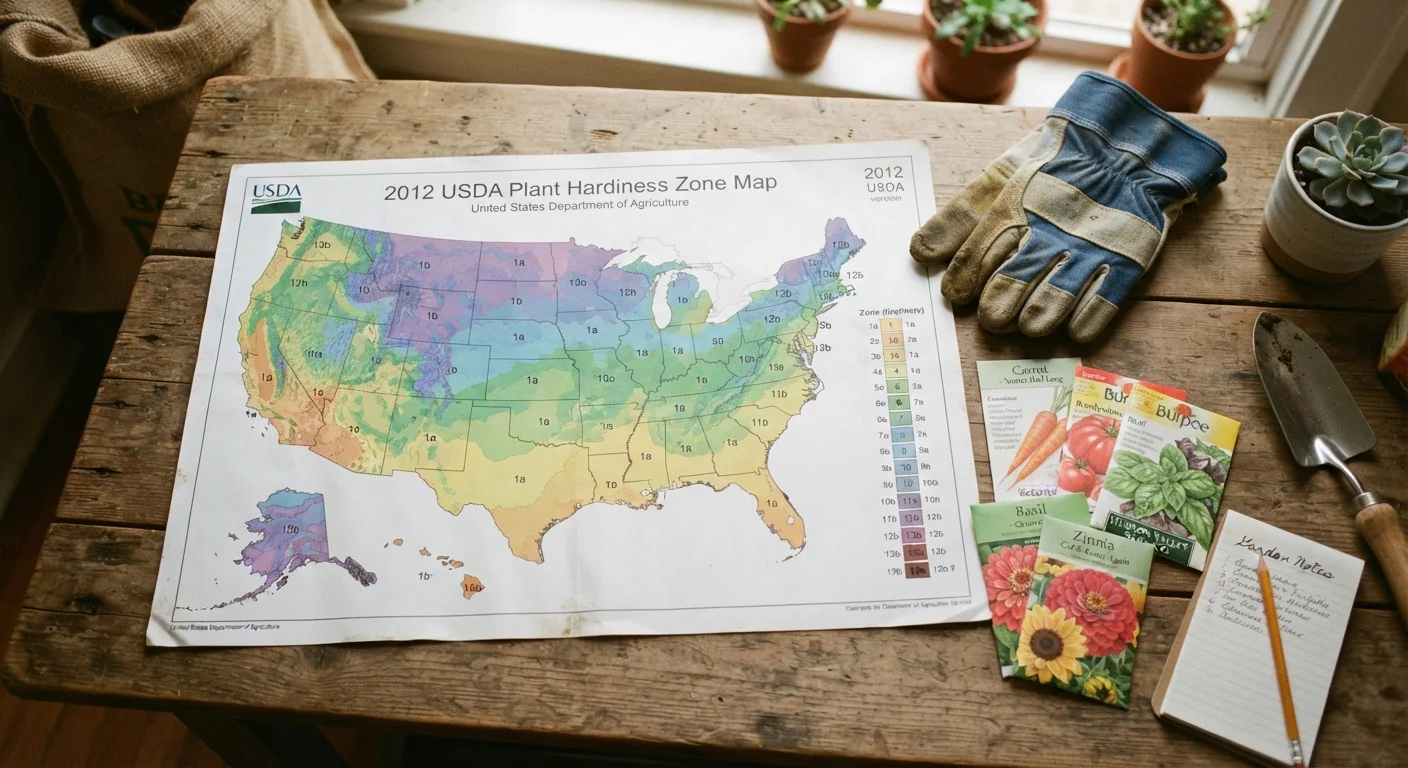
What the USDA Zone Map Actually Measures
The USDA Plant Hardiness Zone Map is a practical tool, but it measures one specific thing: the average annual extreme minimum temperature at a given location. That means it reflects the coldest a location typically gets during winter - not average winter temperatures, not snowfall, and not rainfall.
The continental United States is divided into zones numbered 3 through 10 (with Alaska covering Zones 1-2 and Hawaii and Puerto Rico extending into Zone 13). Each 10°F band is further split into sub-zones 'a' and 'b,' each covering 5°F. So Zone 6b, for example, represents average minimum temperatures between -5°F and 0°F.
When a plant tag lists a hardiness zone range - such as "Zones 5-9" - it means the plant can be expected to survive winters within that temperature window without special protection. A plant rated to Zone 5 will generally tolerate colder winters than one rated only to Zone 7.
Hardiness Zones vs. Growing Zones
You may see the terms 'hardiness zone' and 'growing zone' used interchangeably in gardening media, but they technically differ. USDA hardiness zones address only cold survival. 'Growing zones' is a broader, informal term that some sources use to include heat, humidity, and precipitation. When in doubt, confirm which system a plant tag or catalog is referencing.
How to Look Up Your Zone and Use It
Finding your zone takes about thirty seconds. The USDA hosts an interactive map at planthardiness.ars.usda.gov where you enter your ZIP code and receive your zone and sub-zone instantly. Many local cooperative extension offices also publish zone information specific to your county.
Once you know your zone, apply it at the nursery or seed catalog by checking the hardiness range printed on plant tags or listings. Follow this simple logic:
- Zone number matches or is lower than yours: The plant should survive your winters.
- Zone number is higher than yours: The plant is not cold-hardy enough for your area and will likely die outdoors in winter.
- Zone number is much lower than yours: The plant is hardier than needed and will almost certainly survive, but it may struggle with summer heat instead.
Also consider your local microclimate - small pockets within your yard that behave differently from the surrounding area. A courtyard sheltered by walls, or a low-lying area prone to frost pockets, can shift your effective zone by half a step or more.
Use the 'One Zone Colder' Rule for Key Plants
For trees, shrubs, and perennials you're counting on for long-term structure, choose plants rated one zone colder than your own. This built-in buffer helps protect your investment during unusually severe winters, which occur more often than the averages suggest.
What the Zone Map Doesn't Tell You
The hardiness zone is a useful filter, not a complete growing guide. Several important factors fall outside its scope:
13
Total USDA hardiness zones across the US
The USDA map spans Zones 1 through 13, covering Alaska, the continental US, Hawaii, and US territories.
2023
Year of the most recent USDA map revision
The 2023 update incorporated 30 years of temperature data from approximately 13,000 weather stations across the country.
Half a zone
Typical microclimate temperature shift
Sheltered urban gardens and south-facing walls can behave as much as one sub-zone warmer than the surrounding mapped area, according to general horticultural guidance.
- Summer heat: A plant native to the Pacific Northwest may be rated Zone 6 but struggle in a hot, humid Zone 6 summer in Virginia. The American Horticultural Society publishes a separate Heat Zone Map to address this gap.
- Soil conditions: Drainage, pH, and nutrient levels affect plant health independently of temperature.
- Humidity and rainfall: Many drought-tolerant plants labeled for your zone will fail in consistently wet soil.
- Wind exposure: Wind chill and desiccation in winter can kill plants that would otherwise survive the temperature alone.
Use the hardiness zone as the first screening question - "Will it survive winter?" - and then evaluate the other factors before purchasing. This approach saves real money by preventing the frustration of planting something beautiful that dies in its first cold season.
Putting Zone Knowledge Into Practice
Hardiness zone awareness pays off most when you're selecting perennials, trees, and shrubs - plants you expect to return year after year. Annuals, by definition, complete their life cycle in one season, so their zone rating matters less for cold survival (though it still affects germination timing).
For perennial beds, choose plants rated at least one zone colder than your own as a buffer against an unusually harsh winter. For example, a gardener in Zone 6 might favor plants rated through Zone 5 for core beds, reserving Zone 6-7 plants for sheltered or south-facing spots.
Before your plants face their first winter, it's worth preparing them properly. Our fall garden closedown guide walks through protective mulching, root insulation, and soil amendment steps that improve overwintering survival for plants near the edge of their zone rating.
Finally, keep notes each year on what survives and what doesn't. Your personal yard data, built season by season, is ultimately more reliable than any map for understanding what will thrive in your specific outdoor space.
Frequently Asked Questions
Visit the official USDA Plant Hardiness Zone Map website at planthardiness.ars.usda.gov and enter your ZIP code. The tool instantly displays your zone and sub-zone based on historical temperature data.
Zone numbers represent the average annual extreme minimum temperature. Zone 3 experiences lows of -40°F to -30°F, while Zone 10 sees lows of only 30°F to 40°F. Higher numbers mean warmer winters.
Yes, but they will likely die in winter unless protected or brought indoors. Many gardeners grow tender plants in containers specifically so they can overwinter them in a garage or basement.
No. Heat tolerance, humidity, soil type, rainfall, and sunlight all affect whether a plant thrives. The zone only addresses winter cold survival, not overall growing suitability.
The USDA updates the map periodically as temperature data accumulates. The most recent major revision was released in 2023, incorporating 30-year temperature records and reflecting some zone shifts due to changing climate patterns.
A microclimate is a small area within your yard that experiences slightly different conditions than the surrounding region - for example, a south-facing wall that stays warmer in winter. Microclimates can let you successfully grow plants rated for one zone warmer than your official designation.
The content provided on our blog site traverses numerous categories, offering readers valuable and practical information. Readers can use the editorial team’s research and data to gain more insights into their topics of interest. However, they are requested not to treat the articles as conclusive. The website team cannot be held responsible for differences in data or inaccuracies found across other platforms. Please also note that the site might also miss out on various schemes and offers available that the readers may find more beneficial than the ones we cover.