

Start here
Why Small Pets Are Often Misunderstood
Next
Diet and Nutrition Essentials
Then
Housing and Enrichment
When you're ready
Recognizing Health Warning Signs
Final step
Vet Care for Small Mammals
Why Small Pets Are Often Misunderstood
Rabbits, guinea pigs, and hamsters are among the most popular family pets in the US - and among the most misunderstood. They're frequently marketed as easy starter pets, but the reality is more nuanced. As our guide to low-maintenance pet myths explains, the common assumptions about small animals often break down in practice.
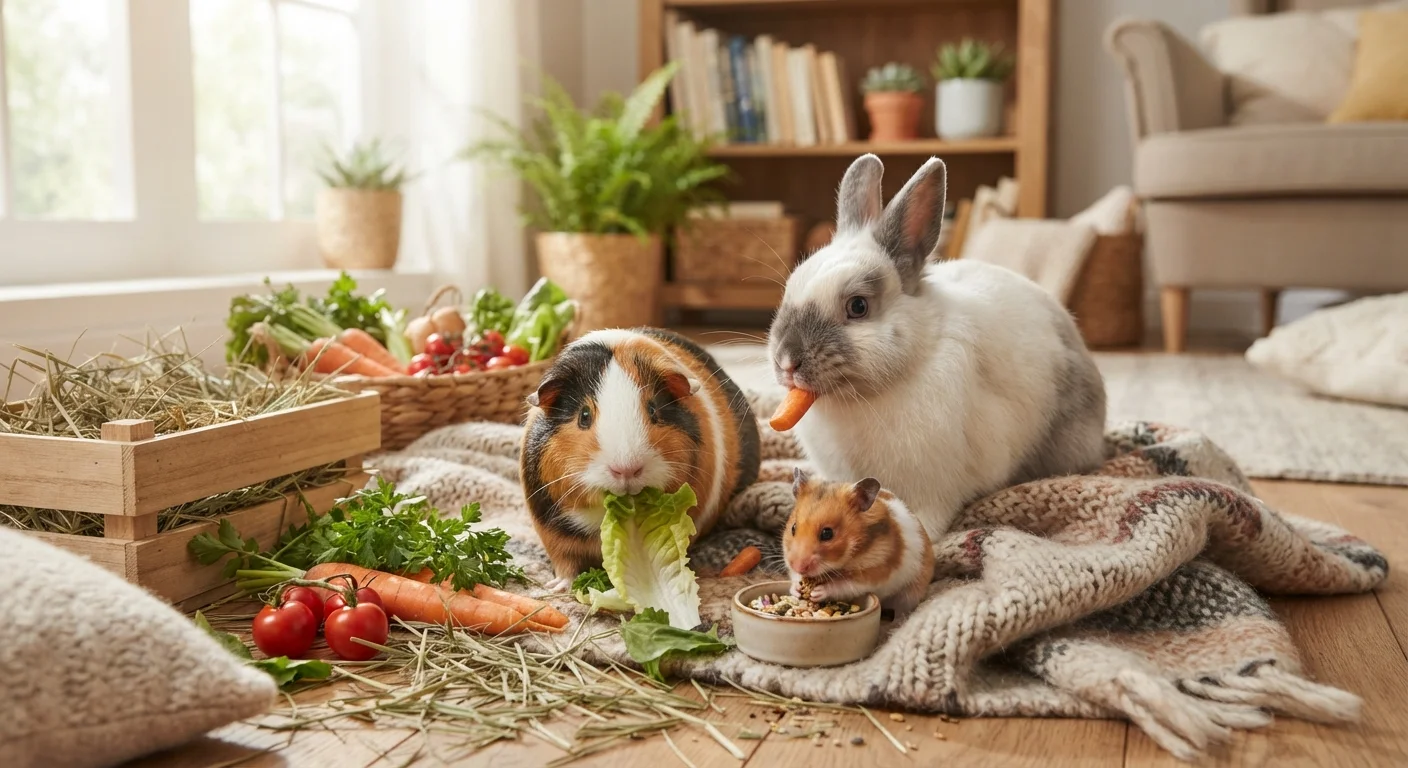
Each of these species has evolved specific behaviors, social structures, and dietary requirements. Hamsters are solitary and primarily nocturnal. Guinea pigs are highly social herd animals that can suffer from loneliness. Rabbits are intelligent, sensitive prey animals that need space, stimulation, and careful handling. Treating any of them as interchangeable or minimal-effort can lead to preventable health problems and a frustrated family.
GI stasis
A potentially life-threatening condition in rabbits where the digestive system slows or stops. It requires urgent veterinary attention and can develop rapidly.
Exotic vet
A veterinarian with training and experience in treating animals outside the common dog and cat categories, including rabbits, guinea pigs, hamsters, and reptiles.
Vitamin C deficiency (scurvy)
A condition caused by insufficient vitamin C in the diet. Guinea pigs cannot make their own and must get it through food daily or they can develop serious health problems.
Substrate
The material lining the bottom of an animal's enclosure, used for burrowing, comfort, and hygiene - such as paper bedding or aspen shavings.
Prey animal behavior
The instinct small animals have to hide signs of pain or illness, because showing weakness in the wild would make them a target for predators.
Diet and Nutrition Essentials
Diet is where many well-meaning owners go wrong. Here's what each species actually needs:
- Rabbits: The foundation of a rabbit's diet should be unlimited fresh timothy or orchard grass hay, which supports healthy digestion and wears down continually growing teeth. Leafy greens like romaine lettuce and cilantro can supplement, but pellets should be limited. Sugary treats - even fruit - should be offered only occasionally.
- Guinea pigs: Like rabbits, guinea pigs need constant access to hay. Critically, they cannot synthesize their own vitamin C, so daily fresh vegetables rich in vitamin C - like bell pepper and leafy greens - are medically necessary, not optional. Deficiency can lead to scurvy.
- Hamsters: Hamsters are omnivores and do well on a quality seed-and-grain mix supplemented with small amounts of fresh vegetables and occasional protein like plain cooked egg. Avoid sugary or sticky foods that can cause dental problems.
Introduce New Foods Gradually
When adding fresh vegetables to any small pet's diet, introduce one new item at a time over several days. This helps you identify which foods cause digestive upset. Sudden dietary changes can trigger loose stools or GI issues, especially in rabbits.
If you're exploring which small pet suits your family's lifestyle, our guinea pig vs. hamster comparison covers temperament and care differences in detail.
Housing and Enrichment
Enclosure size is consistently underestimated. Cages sold as "starter kits" in many pet stores are often too small for adult animals to thrive. General guidance from small-animal welfare organizations suggests rabbits need enough floor space to take at least three to four full hops and stand upright on their hind legs. Guinea pigs are active and do best with large, low-sided enclosures - often called C&C cages - and benefit enormously from a companion of the same species.
Hamsters, despite their small size, are capable of running several miles per night in the wild. A solid-surface wheel at least 10-12 inches in diameter and ample burrowing substrate are considered essential for their psychological wellbeing.
Bedding matters too. Cedar and pine shavings can be harmful to small mammals' respiratory systems. Paper-based or aspen bedding is generally preferred. Spot-clean enclosures daily and do a full clean at least weekly to prevent ammonia buildup, which stresses respiratory health.
Hamsters and Solitude Are Normal
Unlike guinea pigs, most hamster species - especially Syrian hamsters - are solitary and can become stressed or aggressive when housed with others. Providing one hamster per enclosure isn't neglect; it's meeting their species-specific needs. Dwarf hamster species may tolerate same-sex pairs, but introductions should be done carefully and monitored closely.
Recognizing Health Warning Signs
Prey animals instinctively mask illness, which means by the time symptoms are obvious, a problem may already be advanced. Families should check in on their small pets daily and look for these warning signs:
- Reduced appetite or refusal to eat for more than 12-24 hours
- Changes in droppings - fewer, smaller, misshapen, or absent altogether (especially critical in rabbits, as GI stasis is a medical emergency)
- Lethargy, hunched posture, or reluctance to move
- Labored or noisy breathing
- Discharge from eyes, nose, or mouth
- Wet fur around the chin or tail area (often a sign of dental issues or diarrhea)
- Unexplained weight loss
If you're adding a second small pet to a household that already has one, our guide on second-pet health considerations covers quarantine and disease transmission risks worth knowing about.
This article is for general informational purposes only and is not a substitute for professional veterinary advice. Always consult a qualified vet for concerns about your pet's health.
Vet Care for Small Mammals
Not all vets are equally equipped to treat rabbits, guinea pigs, and hamsters. These animals are considered "exotic" in many veterinary practices, meaning you'll want to seek out a clinic with experience in small mammals specifically. An annual wellness exam is a reasonable baseline, though your vet may recommend more frequent visits depending on your pet's age or history.
Vet care for small animals can be surprisingly costly - especially emergency visits. Budgeting for both routine and unexpected expenses is part of responsible ownership. Our family budgeting hub offers practical strategies for building those financial cushions into your household plan.
If you're still in the decision-making phase, our first family pet guide walks through how to evaluate whether your household is ready for a small pet - including the real time and financial commitments involved. Small pets bring genuine joy to families, and with the right preparation, they can thrive for years.
Frequently Asked Questions
Yes. All three species benefit from at least an annual wellness exam with a vet experienced in small mammals. Because these animals hide signs of illness, a professional check-up can catch problems before they become serious. Always consult a vet promptly if you notice changes in behavior, appetite, or droppings.
It is generally not recommended. Guinea pigs and rabbits have different social, dietary, and communication needs, and rabbits can accidentally injure guinea pigs. Each species does best housed with members of their own kind or, for hamsters, alone.
Onions, garlic, chocolate, citrus fruits, and sugary processed foods can be harmful to hamsters and guinea pigs. Rabbits should avoid high-sugar fruits in large amounts and most legumes. Always research species-specific safe foods and ask your vet before introducing new items.
Watch for changes in appetite, droppings, activity level, coat condition, or breathing. Lethargy, hunched posture, discharge from eyes or nose, and weight loss are all reasons to contact a vet quickly. Small animals can decline rapidly, so early action matters.
Not exactly. While they may require less space and time for walks, small mammals have specific habitat, dietary, and social needs that demand daily attention. They also need specialized veterinary care. Families should research thoroughly before committing.
Startup costs including enclosures, supplies, and an initial vet visit can range from a few hundred dollars. Ongoing monthly costs cover bedding, food, and potential medical care. Unexpected health issues can add significantly to that total, so an emergency fund is a wise idea.
The content provided on our blog site traverses numerous categories, offering readers valuable and practical information. Readers can use the editorial team’s research and data to gain more insights into their topics of interest. However, they are requested not to treat the articles as conclusive. The website team cannot be held responsible for differences in data or inaccuracies found across other platforms. Please also note that the site might also miss out on various schemes and offers available that the readers may find more beneficial than the ones we cover.