

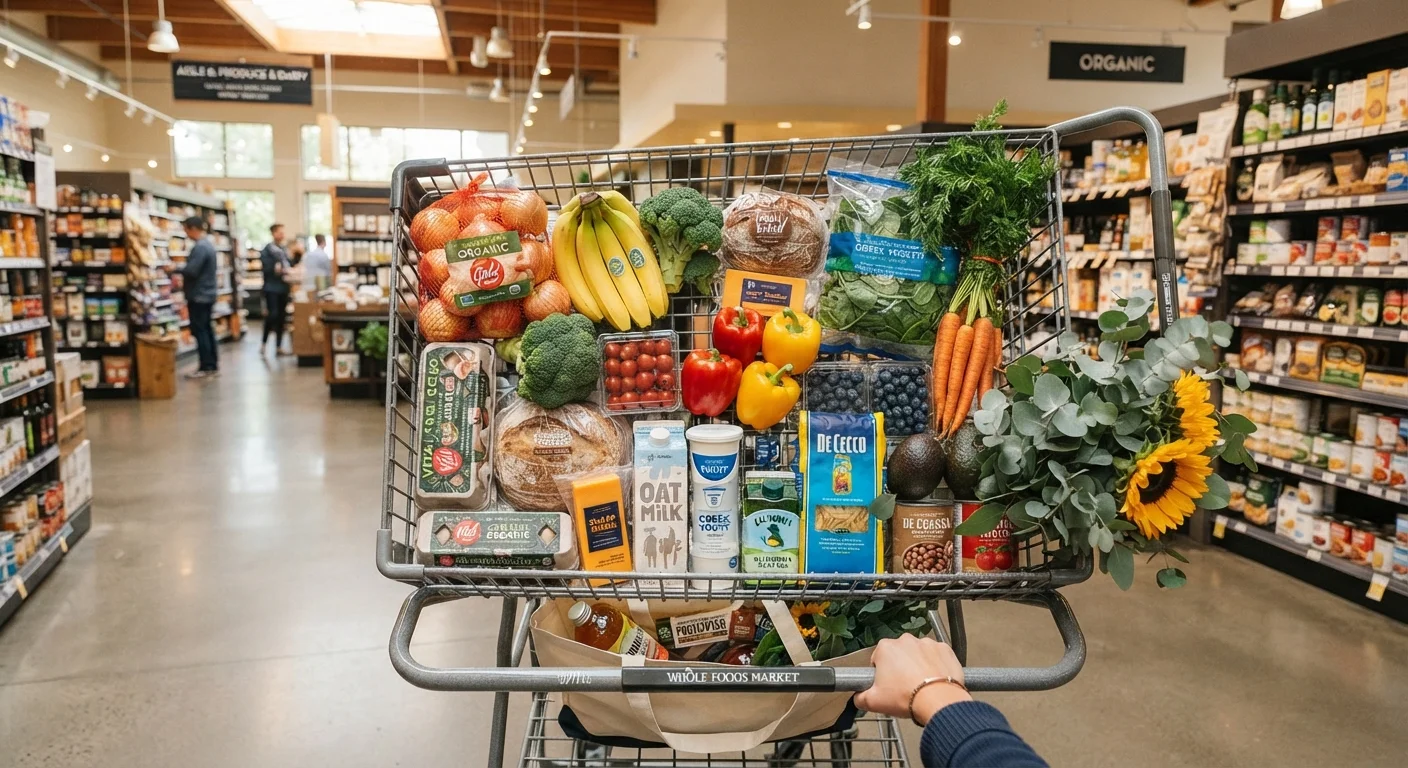
Why Routine Spending Is Worth Auditing
Groceries, cleaning products, personal care items - these categories rarely feel dramatic. But because families buy them week after week, small inefficiencies compound quietly. A household spending just $15 more than necessary each week on routine items loses roughly $780 a year, before accounting for waste.
The good news is that routine categories are also the easiest to optimize, because the purchases are predictable. Unlike a one-time appliance or car purchase, grocery and household supply spending is something you can adjust, test, and refine in a short cycle. See how everyday habits connect to longer-term financial health in our guide to daily financial habits for families.
$1,500+
Average annual household food waste cost
The USDA estimates the average US family of four discards between $1,500 and $2,000 worth of food annually, much of it tied to unplanned purchasing.
30%
Grocery spending that can be unplanned
Research published in the Journal of Marketing Research suggests roughly 30% of supermarket purchases are unplanned, with in-store browsing a key driver.
~20%
Typical savings switching to store brands
Consumer Reports and similar organizations have found store-brand products frequently cost 15-25% less than name-brand equivalents in comparable categories.
Grocery Strategy: Where the Biggest Wins Live
Food accounts for the largest share of variable household spending for most US families. The following approaches are supported by consumer behavior research and financial planning guidance:
- Meal plan before you list. Deciding meals for the week before writing a grocery list reduces both over-buying and mid-week convenience purchases. Studies on food waste consistently find that unplanned shopping is a leading driver of spoilage.
- Shop with a written list and stick to it. Shoppers without lists consistently spend more, partly because store layouts are designed to encourage browsing and impulse additions.
- Compare unit prices, not package prices. The shelf tag's unit price (cost per ounce, per count, etc.) is the only fair comparison across package sizes and brands. Larger packages are not always cheaper per unit.
- Consider store-brand products. For commodity items - canned goods, dried pasta, cleaning solutions - store-brand and name-brand formulations are often identical or comparable. Consumer testing has repeatedly found similar performance at lower price points.
Before buying a bulk or 'family size' package, calculate the unit price and check whether you can realistically use the quantity before it expires. A larger size only saves money if none of it goes to waste.
Food waste is one of the most overlooked budget leaks. A product that costs less per ounce but gets thrown away half-used ends up costing more overall.
Keep a 'price anchor' list for the 10-15 items you buy most frequently - the price you last paid and the unit. Glancing at this list in-store instantly tells you whether you're being offered a genuine deal or a normal price with sale packaging.
Without a reference point, shoppers have no way to evaluate whether a promotional price is actually advantageous. A simple running record removes that uncertainty.
For a closer look at the habits that quietly inflate grocery spending, see our article on routine shopping habits that cost more than they should.
Household Supplies: Cutting Cost Without Cutting Corners
Cleaning products, paper goods, and personal care items are easy to overbuy when shelves look bare or a sale appears. A few principles help manage this category efficiently:
- Set a realistic inventory threshold. Decide the minimum quantity you want on hand for each product before buying more. This prevents both running out and accumulating excess stock that ties up cash and storage space.
- Concentrate and dilute where possible. Concentrated cleaning products, when properly diluted per label directions, often cost less per use than ready-to-use formulas. Follow manufacturer instructions carefully.
- Audit subscriptions and auto-ship programs. Automatic deliveries are convenient but can lead to over-accumulation or continued charges for products you've stopped using. Review these quarterly.
This is also an area where understanding your own shopping patterns matters. The Saving & Debt hub offers additional context on managing household budgets across categories.
Behavior and Timing: When You Shop Matters
The circumstances under which you shop influence how much you spend, often more than the specific products you choose.
- Shop after eating. Hunger is a well-documented driver of impulse purchases, particularly in food categories. This is one of the simplest and most consistently supported tips in consumer behavior literature.
- Reduce trip frequency. Each additional shopping trip creates new opportunities for unplanned spending. Consolidating to fewer, more deliberate trips tends to reduce total outlay.
- Time larger purchases to natural restocking moments. Buying in advance of running out - rather than urgently - gives you flexibility to compare options rather than grabbing the first available item.
How you track spending also shapes behavior. If you're weighing whether cash or digital tools work better for your household, our comparison of cash envelopes vs. digital budgeting apps breaks down the evidence.
Building a System That Sticks
Isolated tactics help, but a consistent system produces lasting results. The families who sustain meaningful savings over time typically share a few practices:
- A weekly spending review. Even five minutes spent comparing actual grocery receipts to a planned budget reveals drift early, before it becomes a habit.
- A shared household list. A running list - physical or digital - where all household members can add items prevents redundant purchases and forgotten needs that trigger unplanned stops.
- Involving children early. Children who observe and participate in thoughtful shopping decisions build foundational money habits. Our article on money habits worth starting early with kids covers age-appropriate approaches.
None of these practices require significant time or willpower once they become routine. The goal is to make smart decisions the path of least resistance, not a constant exercise in discipline. For a broader framework connecting daily choices to long-term outcomes, the Everyday Money Wins hub is a useful starting point.
This article is for general informational purposes only and does not constitute personalized financial advice. Consult a qualified financial professional for guidance tailored to your specific situation.
The content provided on our blog site traverses numerous categories, offering readers valuable and practical information. Readers can use the editorial team’s research and data to gain more insights into their topics of interest. However, they are requested not to treat the articles as conclusive. The website team cannot be held responsible for differences in data or inaccuracies found across other platforms. Please also note that the site might also miss out on various schemes and offers available that the readers may find more beneficial than the ones we cover.