

Why Bathroom Surfaces Degrade Faster Than You Expect
Bathrooms endure more thermal cycling, humidity, and chemical exposure than almost any other room in a home. Steam from showers expands grout and tile; cooling air contracts them. Over months and years, this repeated movement slowly breaks down the materials meant to keep water where it belongs - in the drain.
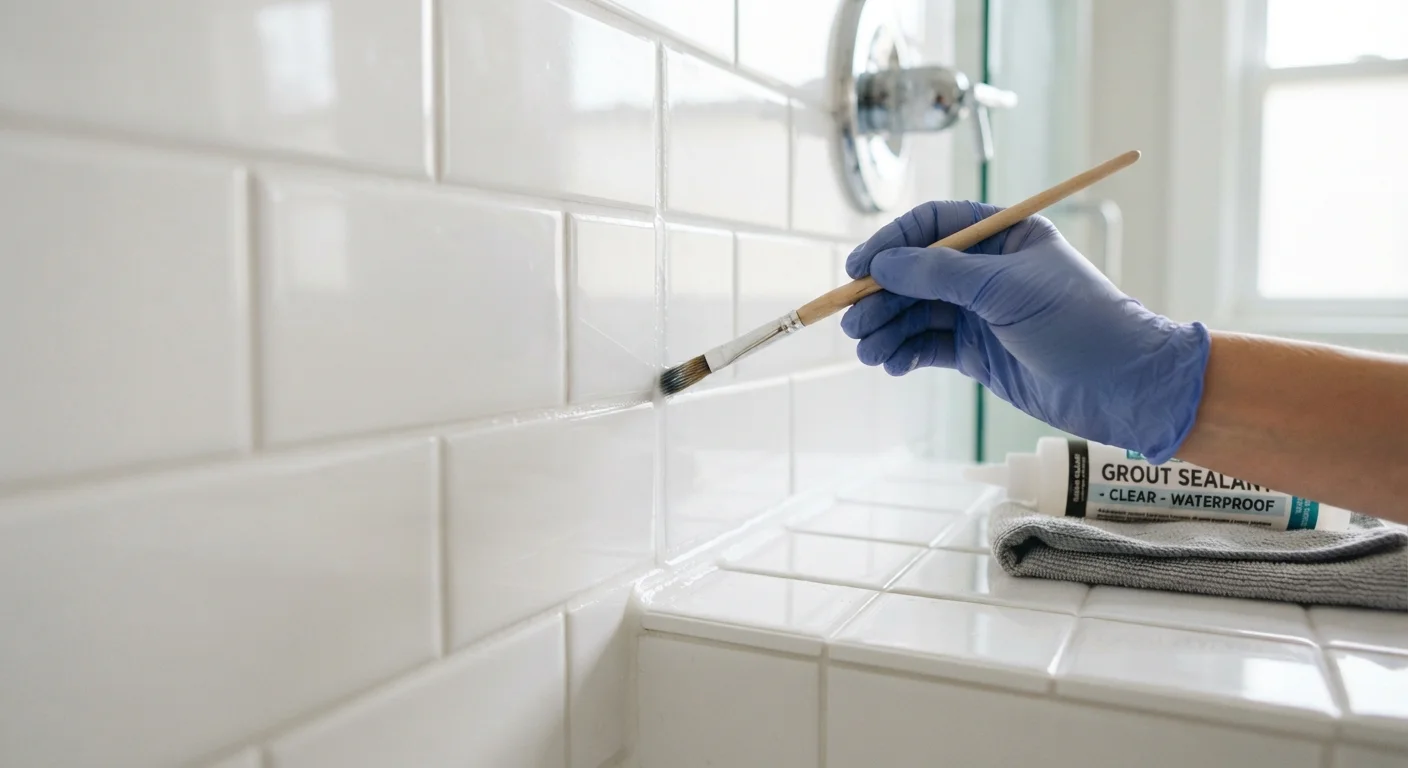
Grout is a cement-based filler (sometimes with sand added, called sanded grout) that fills the joints between tiles. It is porous by nature, which means it absorbs water, soap residue, and cleaning products unless it has been properly sealed. Sealant - a clear liquid applied over cured grout - fills those pores and creates a temporary barrier against moisture and staining.
Most homeowners don't notice grout degrading until it looks dark or feels gritty. But the real risk is invisible: water migrating behind tile surfaces and into the wall substrate. Once moisture reaches wood framing or drywall, you're no longer dealing with a cosmetic fix. Understanding this sequence is the first step to preventing it. For a broader view of how hidden moisture can spiral into larger expenses, see our article on why bathroom upgrades keep going over budget.
Best Practices for Grout and Sealant Maintenance
The following practices represent the proven, practical approach to keeping bathroom tile surfaces sound for years - without unnecessary expense or professional intervention for routine upkeep.
Test your grout's seal annually with the water-drop method
Sealant wears away gradually, and there's no visible indicator that it has failed. The water-drop test gives you objective, immediate feedback so you reseal proactively rather than reactively.
Reseal grout every one to three years based on use
High-traffic shower floors and frequently wetted surfaces lose their seal faster than a backsplash above a vanity. Treating all grout identically leads to under-protection in wet zones and over-maintenance elsewhere.
Clean grout thoroughly before applying any sealant
Sealant applied over dirt, soap scum, or mold locks contaminants into the grout and reduces adhesion. A clean surface ensures the sealant penetrates the grout fully rather than sitting on top of residue.
Replace cracked or crumbling grout promptly rather than sealing over it
Deteriorated grout has already allowed moisture ingress. Applying sealant on top does not restore structural integrity and may hide water damage that is actively worsening.
Ventilate the bathroom during and after every shower
Sustained humidity is the primary driver of grout deterioration and mold growth. Exhaust fans remove moisture-laden air before it settles into porous surfaces, extending the life of both grout and sealant.
Avoid acidic or bleach-based cleaners on sealed grout
Acids (including vinegar) and strong bleach solutions degrade sealant faster and can etch the cement in grout over time, increasing porosity and staining vulnerability.
Quick Wins You Can Do This Weekend
You don't need to tackle everything at once. These actions have immediate protective value and require only basic supplies available at most hardware stores.
When DIY Ends and a Professional Begins
Grout cleaning and resealing are genuinely DIY-friendly tasks for most homeowners. But some warning signs point to problems that go well beyond surface maintenance:
- Soft or springy tiles: If a tile flexes when pressed, the adhesive mortar beneath has likely failed - often due to prolonged moisture exposure.
- Musty or mildew odor that persists after cleaning: This suggests microbial growth inside the wall cavity, not just on the surface.
- Wall movement or bulging near the shower surround: A sign that water has reached the structural substrate.
- Multiple cracked tiles in the same area: Can indicate subfloor movement or settling that will continue to damage any new grout or tile you install.
In any of these situations, a licensed tile contractor or general contractor should assess the area before you spend money on surface repairs. Patching grout over a compromised wall only delays - and usually worsens - the underlying problem.
Permits and Mold Remediation
If a professional discovers mold inside wall cavities during tile removal, remediation typically involves more than patching tile. In many jurisdictions, significant mold remediation work must be performed by a certified contractor and may require disclosure if you sell the home. Verify local requirements before proceeding with any wall-opening repairs.
For help distinguishing which home tasks are genuinely safe for DIY and which require a licensed professional, the home maintenance DIY vs. pro guide is a practical starting point.
Caulk vs. Grout: Understanding the Distinction
One of the most common and consequential mistakes in bathroom maintenance is filling movement joints - the seams where tile meets the tub, shower pan, or wall corner - with grout instead of caulk. These junctions flex with temperature changes. Rigid grout will crack there within months, creating an open channel for water infiltration.
Caulk (a flexible sealant) belongs in every corner joint and along the tub-to-tile seam. Grout belongs between tiles on flat surfaces. If your existing caulk is cracked, pulling away, or discolored black with mold, remove it entirely and replace it - don't apply new caulk on top. Our companion article on caulking and sealing the right gaps covers when caulk is the appropriate tool versus other sealing methods.
If you're a newer homeowner still building your maintenance vocabulary, the first-time homeowner's maintenance orientation provides a helpful foundation across all major home systems.
This article provides general home maintenance information and education. Always verify local building codes and consult a licensed professional for repairs involving structural, plumbing, or mold-related concerns.
The content provided on our blog site traverses numerous categories, offering readers valuable and practical information. Readers can use the editorial team’s research and data to gain more insights into their topics of interest. However, they are requested not to treat the articles as conclusive. The website team cannot be held responsible for differences in data or inaccuracies found across other platforms. Please also note that the site might also miss out on various schemes and offers available that the readers may find more beneficial than the ones we cover.